Child play specialist · Haarlem
Kids don’t talk about what’s hard.
They play it.
Play sessions in Russian for children aged 3–12. Your child plays — and through play, at their own pace, works through what words can’t reach yet: anxiety, meltdowns, a big move, changes at home.
30 minutes · parents only, no child · no commitment
Sound familiar?
Parents usually come to Daria when they notice one of these:
Meltdowns out of nowhere
Tears and fury over tiny things — and no amount of reasoning helps.
The move hit hard
New country, new language — and your child suddenly seems like a different kid.
Fears got bigger
The dark, daycare, being away from mum — worry has started running the show.
Gone quiet
Withdrawn, keeping to themselves, answering “fine” — and nothing more.
Changes at home
A divorce, a new sibling, a loss — big events come with big feelings.
Signals from school
Conflicts, teacher complaints, “he’s not like the other kids”.
If any of this sounds like your family, start with the intro meeting: half an hour is enough to see whether play can help your child.
Why play works
The method is called child-centered play therapy (CCPT). It sounds serious — and it is a serious method. It just looks like play.
In the playroom, the child leads the play. Daria doesn’t assign tasks, judge, or rush — she’s right there, seeing everything, accepting everything, and holding warm, clear boundaries.
Play is a child’s native language. What’s built up inside won’t come out in words — but it will come out in play, as many times as it takes, until the hard thing becomes manageable. Change grows from within, at the child’s pace — which is exactly why it lasts.
«Birds fly, fish swim, and children play.»
90+ studies
The method’s effectiveness is backed by meta-analyses of dozens of studies.
First changes within weeks
Parents usually notice them at home sooner than they expected.
Lasting results in 12–20 sessions
That’s what the road to solid change typically takes.
How it works
No mystery: the path is simple and the same for everyone.
Intro meeting
30 minutes, adults only, no child. You share what’s going on and ask anything. No commitment.
First play session
Your child comes in, gets comfortable, and plays. Daria is right there — getting acquainted in the language of play.
Weekly — 45 minutes
Same day, same time, every week. Consistency isn’t a formality — it’s part of the method. It’s what makes a child feel safe.
Parent meetings
60 minutes roughly every 4–5 sessions: what’s happening, what’s changing, and how to support things at home.
A prepared ending
When the goal is reached, we don’t just stop — we finish properly: reviewing the journey, so your child says goodbye to the room feeling calm.
The playroom
The room is set up so every feeling has a language to speak:
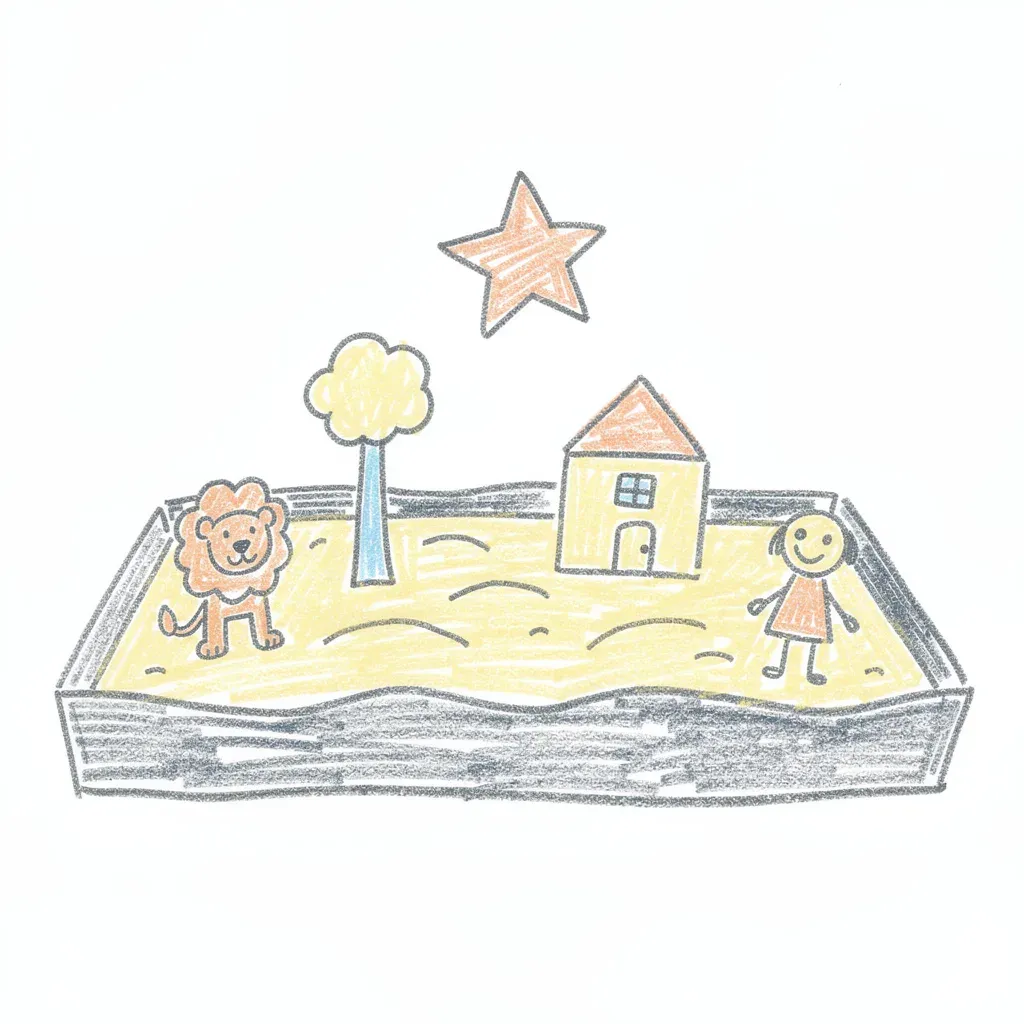
A sand tray with miniatures — build a whole world
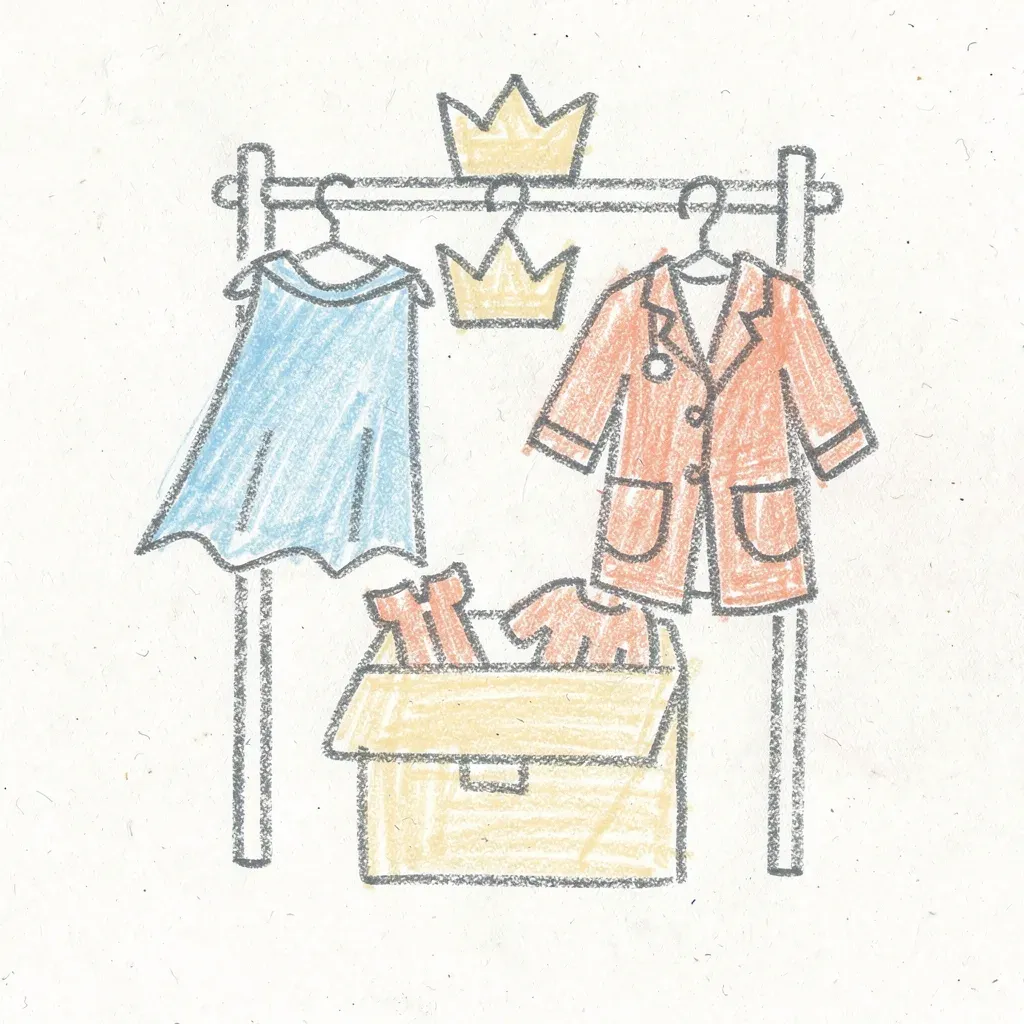
Costumes — be anyone for a while
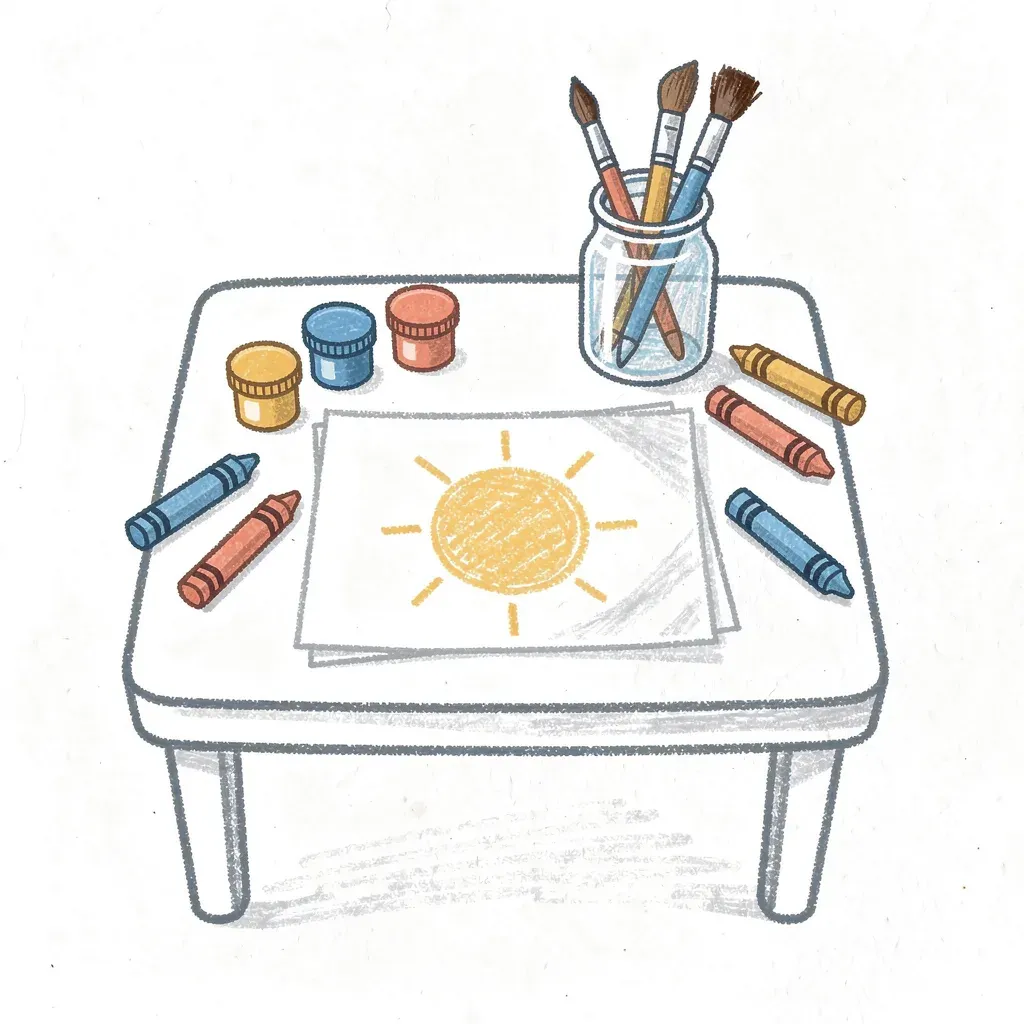
Paints, crayons, clay — make things
Materials for big feelings — rage, battle, and win
Plus real-life toys: a family, houses, cars, animals. Everything is always in the same place — a quiet signal to the child: “this room can be trusted.”
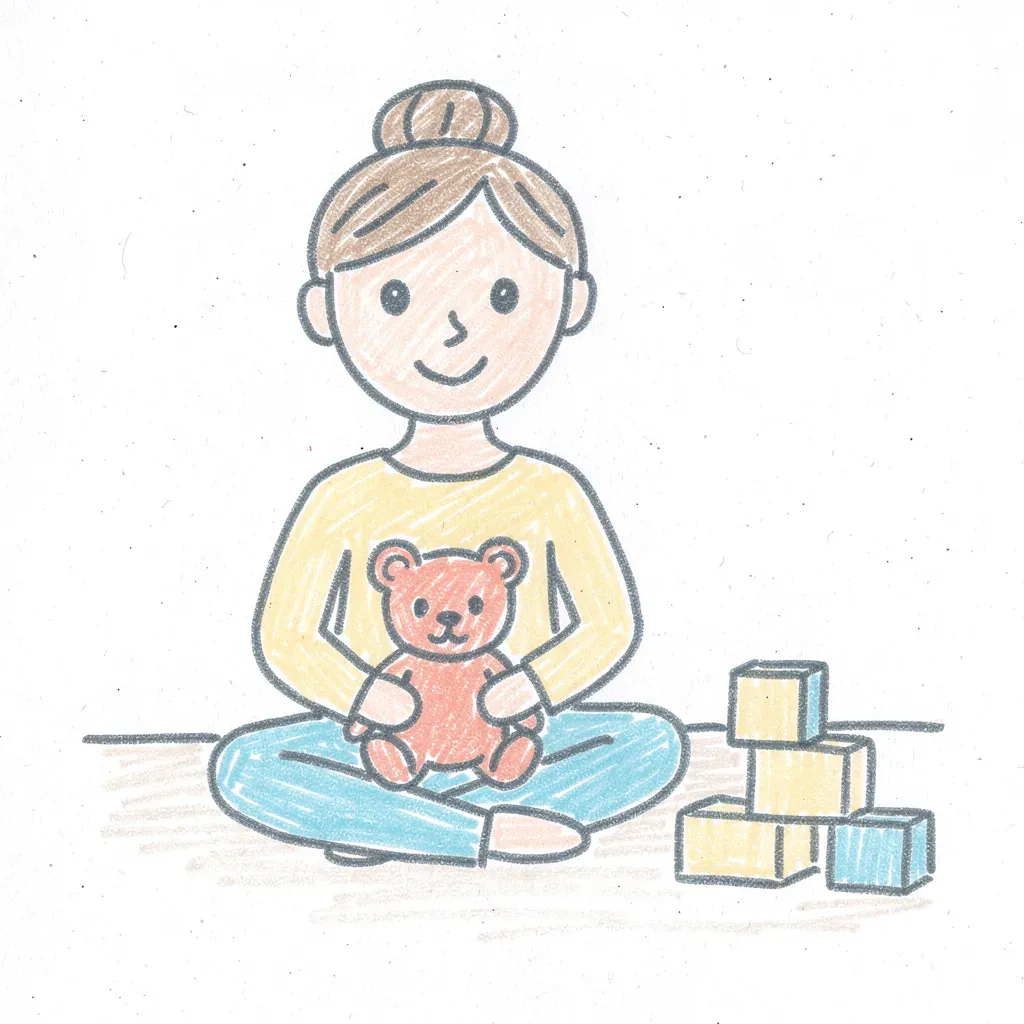
Meet Daria
A child play specialist. She speaks Russian with the children — and fluent play. Her practice is in Haarlem, serving Russian-speaking families across North Holland.
- Trained in child-centered play therapy (CCPT)
- A background in psychology
- Regular supervision — reviewing her practice with an experienced colleague
In the interest of honesty: “therapist” is a protected title in the Netherlands, so Daria is a play specialist. The method she works with, though, is child-centered play therapy itself.
Fees & practical things
- Play session
- 45 minutes, weekly, at a fixed day and time
- Intro meeting
- 30 minutes, parents only, no commitment
- Parent meeting
- 60 minutes, roughly every 4–5 sessions
- Price
- to be confirmed — ask at the intro meeting
- Payment
- by bank transfer, invoiced
- Cancellation
- at least 24 hours ahead — otherwise the session is charged
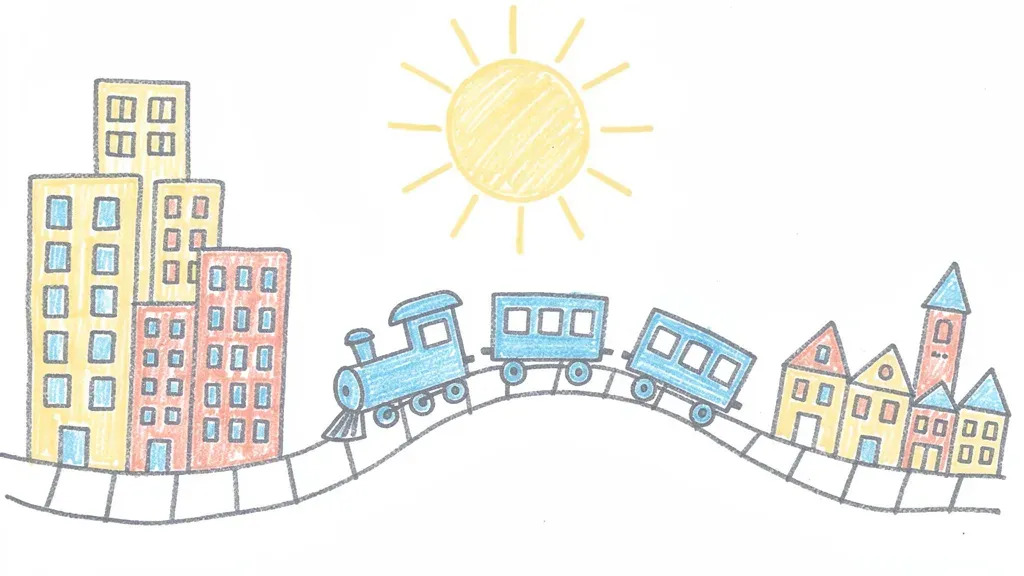
The practice is in Haarlem — 15–20 minutes by train from Amsterdam. The exact address is shared after booking.
Parents ask
Is this psychotherapy? What is your profession exactly?
The method is called child-centered play therapy, and Daria is a child play specialist: “therapist” is a protected title in the Netherlands, and we’re careful with words. Play sessions are not a medical service and don’t replace a doctor or psychotherapist. In an emergency, contact your huisarts (GP) or call 112.
My child would just be playing. What am I paying for?
For what ordinary play doesn’t have: a trained specialist right there, seeing what the child is working through in play, accepting it without judgment, and holding the boundaries. It can’t work the same way at home — precisely because at home you’re mum or dad, not a neutral adult. That’s what turns play into a working method rather than pastime.
How many sessions will we need?
Parents usually notice the first changes within a few weeks. Lasting results typically take shape over 12–20 sessions. Every 4–5 sessions we take stock at a parent meeting — you always know where we are and where we’re heading.
What do I tell my child before the first session?
Keep it simple and honest: “There’s a room full of toys, and Daria — you can play with her in Russian.” Don’t say “doctor”, “a check-up” or “they’ll fix you there” — none of that is going to happen.
Will you tell me what my child did in the session?
What happens in sessions stays between Daria and the child — that trust is the condition the method runs on. There’s one exception: a risk to safety. What we do discuss in detail, at the parent meetings, is the bigger picture: what’s changing and how to support it at home.
We live in Amsterdam. Is it far?
Not at all: 15–20 minutes by train and you’re in Haarlem. Plenty of families make the trip — it doubles as a small adventure.
My child is shy and slow to warm up. Will this work?
That’s exactly what the playroom is built for: nobody demands talking or “behaving properly”. A child can simply look around at first — Daria follows their pace. The method suits shy children especially well.
What if my child refuses to go?
It happens — and usually dissolves within the first session: a room full of toys is more convincing than any pep talk. If you’re worried, bring it up at the intro meeting — Daria will suggest how to prepare your child gently.
Start with a meeting
30 minutes for parents, without the child. You describe your situation; Daria explains how play can help. Then you decide — calmly, in your own time.
- In Russian or English
- Online or at the practice
- No commitment
The online calendar is being set up — booking opens here very soon.